Busca entre varios profesores de Inglés...

自習vs独学 学習vs勉強
 04:23
04:23 04:23
04:23Descripción
”自習”も”独学”と同じ意味を持っていますが、ほとんどの日本人にとって”自習”は学校で先生がいない時に自分で勉強する時間、という意味で使っています。
Technically "じしゅう” and "どくがく” are the same, but most Japanese will use どくがく for self-study.
例)
・今日は先生がいないので9時から10時まで自習してください。
・私の学校はいつも金曜日の9時から10時まで自習の時間がある。
独学は誰からも習わないで自分で学ぶ、という意味です。
・私は独学でギターを練習していた。
・英語を独学で勉強するのはちょっとむずかしいよ。先生にならったほうがいい。
・ 学習する vs 勉強
△学校で学習しています。
〇学校で勉強しています。
・フォーマル
子どもが学習するために、親は良い環境(かんきょう)をつくってあげなければいけない。
犬は”お座り”をしたらエサをもらえる、ということを学習します。
Canal de podcast
洋平先生 N3~N2クラスの生徒へ (^^♪
Autor
Todos los episodios

Cracking the Code: Navigating the Moscow Metro with Confidence
09:57
Выпуск 15. Считаем по-русски / Let's count in Russian 1-1000
07:48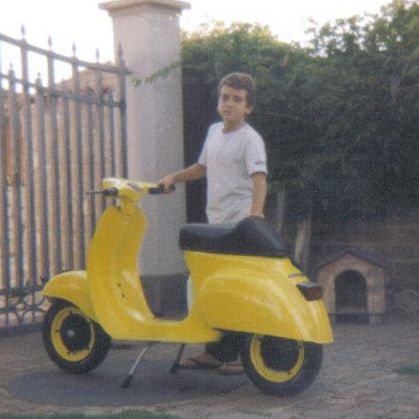
Tutti gli italiani hanno una vespa? 🛵
17:28
Take easy to learn about tones of Cantonese (2)
00:56
Where there is sugar, ants will be there. Is this good?
00:27
Tankar På Svenska : Om att emigrera
12:02
How to use articles (a, an, the)
07:28
〈#42〉4月20日水曜日 犯罪「オレオレ詐欺」が続く
03:51Episodios populares
Matryoshka
Cracking the Code: Navigating the Moscow Metro with Confidence
09:57Speak fluent Russian A1-A2
Выпуск 15. Считаем по-русски / Let's count in Russian 1-1000
07:48The Italian Miscellaneous Podcast🖐
Tutti gli italiani hanno una vespa? 🛵
17:28Easy Cantonese
Take easy to learn about tones of Cantonese (2)
00:56Joy to Our World
Where there is sugar, ants will be there. Is this good?
00:27Tankar på svenska
Tankar På Svenska : Om att emigrera
12:02Learn English with Cambridge David
How to use articles (a, an, the)
07:28北海道Hokkaido生活 for Japanese learners
〈#42〉4月20日水曜日 犯罪「オレオレ詐欺」が続く
03:51